Evaluating Floral Design Illustration for Professional and Creative Projects
Floral design illustration serves as a critical bridge between botanical imagination and tangible reality. For florists, event planners, botanical artists, and educators, this discipline is more than mere decoration; it is a functional tool for communication, planning, and artistic expression. Understanding the scope, utility, and limitations of floral design illustration is essential for anyone considering its integration into professional workflows or creative studies. This evaluation explores when this medium provides distinct advantages over photography or digital rendering, and how to determine if it aligns with specific project goals.
Defining the Scope of Floral Design Illustration
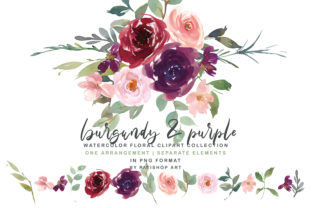
At its core, floral design illustration is the visual representation of plant arrangements, botanical structures, and compositional concepts through drawing or painting. Unlike general botanical art, which often focuses on scientific accuracy and species identification, floral design illustration emphasizes aesthetics, spatial relationships, and color theory within an arranged context. It encompasses various styles, from loose watercolor washes used in wedding stationery to precise technical line drawings utilized in instructional textbooks.
The medium acts as a visual language. In professional settings, it translates abstract client desires into concrete visual proposals before a single stem is purchased. In educational contexts, it deconstructs complex arrangements into understandable layers, highlighting mechanics and balance that photographs might obscure due to depth-of-field issues or lighting constraints. Evaluating this field requires recognizing it as both an artistic pursuit and a pragmatic problem-solving methodology.
Primary Motivations for Adoption
Individuals and businesses typically turn to floral design illustration to solve specific communication challenges that other media cannot address effectively. The decision to utilize illustration often stems from three primary needs:
- Pre-visualization and Client Approval: Photography captures what exists, but illustration captures what could exist. For event designers, presenting a hand-rendered proposal manages client expectations by conveying mood, palette, and scale without the risk of clients fixating on specific flower varieties that may be out of season or unavailable.
- Instructional Clarity: Educators and authors value illustration for its ability to simplify complexity. A drawing can isolate specific wiring techniques, foam placement, or stem angles without the visual noise of a real-world environment. This abstraction accelerates learning and improves retention of structural concepts.
- Brand Identity and Licensing: In the stationery and textile industries, floral design illustration offers unique intellectual property. Custom illustrations provide exclusive branding assets that stock photography cannot match, allowing businesses to create cohesive visual identities across packaging, web presence, and print materials.
Benefits and Strategic Advantages
When selected appropriately, floral design illustration offers distinct strategic benefits. The most significant advantage is creative flexibility. An illustrator can depict flowers in perfect bloom regardless of the current season, combine species that never naturally coexist, and adjust colors to match exact Pantone specifications. This freedom eliminates the logistical constraints inherent in live floral photography.
Additionally, illustration carries an intrinsic emotional resonance. Hand-rendered visuals often communicate warmth, craftsmanship, and personal attention more effectively than clinical digital renders or standard stock photos. For luxury weddings and artisanal brands, this perceived human touch justifies premium pricing and fosters deeper emotional connections with the audience.
From a production standpoint, illustration offers scalability and adaptability. Vector-based floral illustrations can be resized infinitely for billboards or business cards without quality loss. Even raster-based paintings can be edited to change background colors or remove elements, providing long-term utility across multiple marketing campaigns.
Tradeoffs and Practical Considerations
Despite its advantages, floral design illustration involves significant tradeoffs that must be weighed during the evaluation process. The most immediate consideration is cost and time investment. Commissioning custom illustration is generally more expensive and time-consuming than licensing stock photography. High-quality bespoke work requires hours of sketching, rendering, and revision, whereas a photo can be sourced instantly.
Subjectivity and interpretation present another challenge. Illustration is inherently stylized; no two artists interpret "romantic peony arrangement" identically. This subjectivity can lead to misalignment between creator intent and viewer perception. In contrast, photography provides an objective record that reduces ambiguity regarding texture, size, and color accuracy.
There is also the factor of botanical accuracy versus artistic license. While artistic interpretation is often a benefit, it becomes a liability in scientific, horticultural, or highly technical educational contexts. If the goal is precise species identification or accurate morphological documentation, traditional botanical plate illustration or macro photography may be superior choices. General floral design illustration prioritizes composition over taxonomic correctness, which can mislead audiences seeking factual botanical data.
Situations Where Illustration Is a Strong Fit
Floral design illustration proves most valuable when the project prioritizes emotion, concept, or instruction over literal documentation. Specific scenarios include:
- Wedding and Event Proposals: When selling a vision rather than a product, illustration helps clients focus on overall atmosphere rather than nitpicking individual blooms.
- Product Packaging and Textile Design: When seamless patterns or scalable graphics are required for manufacturing, illustration provides necessary technical specifications that photos cannot offer.
- Step-by-Step Tutorials: When teaching mechanics where internal structure matters more than external beauty, simplified line work clarifies concepts better than detailed imagery.
- Historical or Fantasy Themes: When depicting arrangements from eras predating photography or imaginary botanical specimens, illustration is the only viable medium.
When Alternatives Are Preferable
Evaluation should also identify when floral design illustration is not the optimal solution. Alternatives should be considered in the following contexts:
- E-commerce Product Sales: Customers purchasing live flowers or bouquets online expect accurate color representation and realistic texture. Illustration may be perceived as misleading in direct sales contexts where fulfillment must match the visual promise exactly.
- Tight Deadlines and Low Budgets: If turnaround time is measured in hours rather than weeks, or if budget constraints preclude custom art fees, high-quality stock photography or AI-generated imagery (with appropriate disclosure) may serve immediate needs more efficiently.
- Scientific Documentation: For herbarium records, field guides, or agricultural extension publications requiring diagnostic precision, specialized scientific illustration or photography remains the industry standard.
Making the Final Decision
Selecting floral design illustration ultimately depends on aligning medium capabilities with project objectives. Decision-makers should evaluate their priorities across three axes: accuracy versus atmosphere, speed versus customization, and budget versus exclusivity. If the goal is to evoke feeling, explain process, or create proprietary assets, illustration warrants serious consideration. If the goal is to document reality, sell specific inventory, or meet urgent deadlines, alternative media likely offer better returns.
For those proceeding with illustration, success depends on clear briefing and portfolio evaluation. Reviewing an artist’s past work specifically for botanical understanding—not just artistic skill—ensures they can render convincing floral forms. Establishing revision protocols upfront mitigates the risks of subjective interpretation. By approaching floral design illustration as a strategic tool rather than merely an aesthetic choice, professionals can leverage its unique strengths while avoiding common pitfalls associated with this specialized visual discipline.