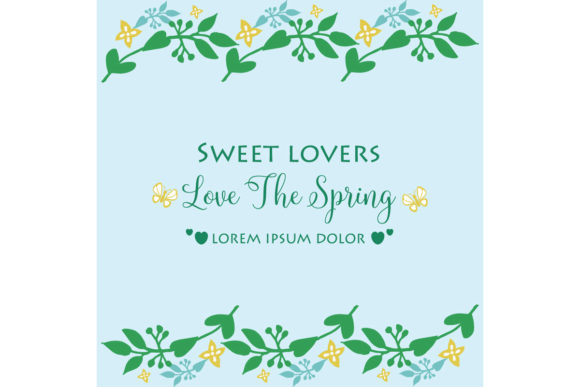
Spring Greeting Card with Floral Motif: Designing Modern Love Templates
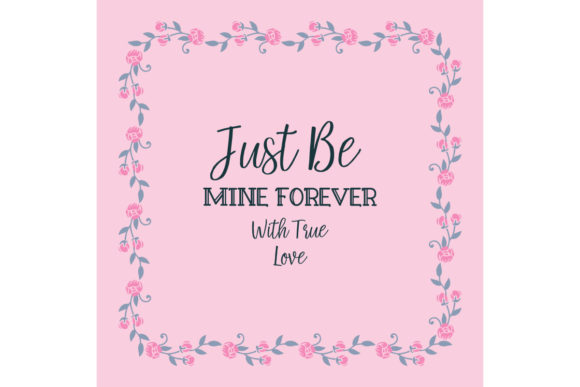
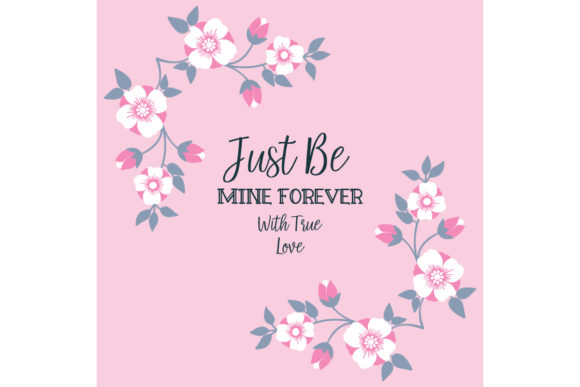
A Spring Greeting Card with Floral Motif represents more than just a seasonal decoration; it is a strategic design asset that bridges the gap between traditional romance and contemporary aesthetics. For designers, stationery brands, and individuals creating personal messages, this specific visual style combines the organic warmth of botanical elements with the clean precision of modern geometry. When utilized as a vector illustration template for love-themed correspondence, it solves a common creative dilemma: how to convey deep emotion without resorting to outdated or overly ornate clichés. The integration of stylized leaf patterns and structured floral frames offers a versatile foundation that appeals to adult audiences seeking sophistication, clarity, and genuine connection in their printed and digital communications.
Defining the Modern Floral Aesthetic
To effectively use a Spring Greeting Card with Floral Motif, one must first understand what distinguishes the "modern" interpretation from vintage or classical styles. Traditional spring cards often feature realistic, painterly botanics or dense Victorian arrangements. In contrast, the modern motif prioritizes shape, negative space, and stylization. The floral frame is not merely a border but an active compositional element that guides the viewer’s eye toward the central message.
This aesthetic relies heavily on vector artistry. Unlike raster images, vector illustrations allow for infinite scalability and color manipulation, which is essential for template design. The "modern shape pattern of leaf" mentioned in this context usually refers to simplified, geometric, or fluid line work that suggests foliage without replicating it photographically. This abstraction creates a sense of freshness and relevance, making the card suitable for diverse relationships, from new romances to long-standing partnerships, without feeling generic.
Addressing Common Design and Communication Challenges
Adults designing or selecting greeting cards often face specific hurdles that a well-crafted Spring Greeting Card with Floral Motif can resolve. Understanding these pain points is crucial for practical implementation.
Balancing Sentiment with Sophistication
One of the primary challenges in love-themed stationery is avoiding designs that feel juvenile or excessively saccharine. Many adults want to express affection but find standard heart-and-rose motifs inadequate for their mature sensibilities. A modern floral frame provides a solution by grounding the romantic sentiment in natural elegance. The structured nature of the leaf pattern adds a layer of graphic design credibility, allowing the card to function as both a love note and a piece of art. This balance ensures the recipient feels valued through high-quality aesthetics rather than just symbolic iconography.
The Need for Customizable Versatility
Whether you are a professional designer creating a product line or an individual crafting a unique anniversary gift, flexibility is paramount. Static images limit usability. A vector-based Spring Greeting Card with Floral Motif addresses the need for adaptability. Users frequently struggle with finding assets that match specific brand colors or personal preferences. Because these templates are built with adjustable paths and layers, the color palette can be shifted from soft pastels to bold jewel tones in seconds. This capability transforms a single template into a comprehensive system capable of serving multiple occasions throughout the spring season.
Typography Integration Issues
A beautiful illustration fails if there is no room for text. A common frustration with intricate floral borders is that they encroach upon the safe zone needed for legible typography. Modern shape patterns are specifically engineered with copy space in mind. The framing is intentional, creating a natural container for sans-serif or elegant script fonts. This deliberate layout prevents the clash between image and text, ensuring that the message of love remains the focal point while the floral motif enhances readability through contrast and spacing.
Practical Applications and Implementation Strategies
The utility of a Spring Greeting Card with Floral Motif extends across various user groups and scenarios. Successful implementation depends on aligning the design’s inherent qualities with specific end goals.
- Commercial Stationery Design: For Etsy sellers and print-on-demand businesses, these templates serve as high-conversion products. The modern floral trend currently dominates marketplaces because it photographs well and appeals to millennial and Gen Z buyers. Utilizing vector files allows for easy creation of matching product suites, such as thank-you cards, gift tags, and social media announcements, maximizing the return on a single design asset.
- Wedding and Event Stationery: Spring weddings often require invitations that feel airy yet formal. A floral frame template can be adapted for save-the-dates, menu cards, and place settings. By adjusting the opacity or stroke weight of the leaf pattern, designers can create visual hierarchy across different paper goods while maintaining thematic consistency.
- Personal Digital Correspondence: In an era of instant messaging, sending a digital greeting card carries significant weight. Users can export these vector templates as high-resolution PNGs or animated SVGs for email newsletters or private messages. The modern aesthetic translates exceptionally well to screens, where clean lines and vibrant colors stand out against dark mode interfaces or cluttered social feeds.
- Corporate Client Appreciation: Businesses looking to nurture client relationships in spring can leverage this motif to send non-sales communication. The gender-neutral and professionally artistic nature of modern leaf patterns avoids the intimacy of traditional romance while still conveying warmth and renewal. It is an effective tool for top-of-mind awareness that respects professional boundaries.
Tailoring the Approach for Different Users
While the core asset remains the same, different users will approach the Spring Greeting Card with Floral Motif with distinct objectives and workflows.
For Professional Graphic Designers
Professionals should focus on the technical integrity of the vector file. When evaluating or creating these templates, ensure that all shapes are closed paths and that layers are logically organized. The goal is efficiency; a well-structured floral frame should allow for global color changes and easy isolation of elements. Professionals might also combine multiple floral motifs to create custom compositions, using the base template as a modular kit rather than a finished product. Consider licensing terms carefully to ensure commercial usage rights cover intended distribution channels.
For DIY Enthusiasts and Non-Designers
Users without extensive vector software experience should prioritize accessibility. Look for templates available in formats compatible with user-friendly platforms like Canva, Adobe Express, or even Microsoft PowerPoint. For this audience, the value lies in pre-set color palettes and locked proportions. The focus should be on personalization through text and photo insertion rather than structural redesign. When selecting a Spring Greeting Card with Floral Motif, choose versions that include mockups or preview images showing text placement, as this reduces the guesswork involved in achieving a balanced layout.
For Print Production Specialists
Those responsible for physical output must consider how the modern floral motif interacts with paper texture and printing techniques. Vector lines in floral frames are ideal for foil stamping, embossing, or letterpress. The clean edges of modern leaf patterns translate better to specialty finishes than watercolor washes do. When preparing files, verify bleed settings and color profiles (CMYK vs. Pantone). A minimalist floral frame can also serve as a die-line for shaped cards, adding tactile interest that elevates the perceived value of the greeting card beyond standard rectangular formats.
Key Considerations for Optimal Results
To maximize the effectiveness of your Spring Greeting Card with Floral Motif, keep the following best practices in mind during the selection and customization process:
- Cultural Relevance: While modern florals are generally universal, be mindful of specific flower symbolism if targeting niche markets. Even stylized representations can carry meaning. Ensure the chosen motif aligns with the intended sentiment of love and renewal appropriate for your specific audience.
- Scalability Testing: Always test the vector illustration at both thumbnail size and full print resolution. Modern shape patterns should retain their clarity and impact regardless of scale. If details disappear when sized down for social media or become pixelated when enlarged for poster-sized displays, the file requires optimization.
- Color Psychology: Leverage the editability of vector art to align colors with emotional intent. Soft greens and blush pinks evoke gentle, new love, while deep teals and terracottas suggest established passion and earthiness. Do not settle for default template colors if they do not resonate with the specific message you wish to convey.
- Whitespace Management: Resist the urge to fill every corner. The power of a modern floral frame lies in its restraint. Adequate whitespace around the leaf pattern enhances the premium feel of the card and improves text legibility. Treat empty space as an active design element, not a void to be fixed.
Ultimately, the Spring Greeting Card with Floral Motif serves as a dynamic canvas for expression. By combining the timeless appeal of nature with the precision of modern vector design, it empowers users to create meaningful, aesthetically pleasing communications that resonate with contemporary adult audiences. Whether used for commercial product development or personal connection, understanding the functional and emotional dimensions of this design style ensures that every card sent is both visually striking and deeply felt.