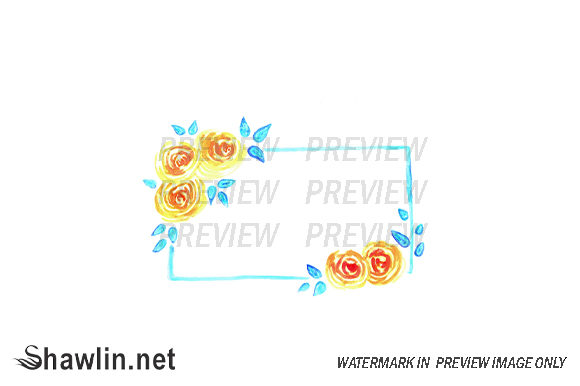
Strategic Application of the Watercolor Floral Banner in Professional Design
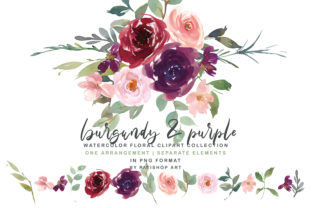
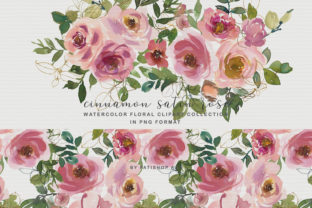
The watercolor floral banner serves as more than a decorative element; it is a strategic visual asset that communicates tone, quality, and brand personality before a single word of copy is read. For entrepreneurs, marketers, and creative professionals, selecting the right visual framework is a decision that impacts audience perception and engagement metrics. This specific asset, featuring an arrangement of roses and leaves, bridges the gap between organic warmth and professional polish. Its utility extends across digital and print mediums, offering a versatile solution for those who need to convey elegance, growth, or natural beauty without sacrificing modern design standards.
Understanding the technical composition of this resource is the first step toward leveraging it effectively. The package includes a Vector EPS 8 file, a high-resolution JPG, and a PNG format. This multi-format approach is not merely convenient; it is essential for operational flexibility. The inclusion of the older EPS 8 version ensures backward compatibility for professionals working in legacy environments or collaborating with print shops using older RIP software. Meanwhile, the raster formats provide immediate usability for web-based projects where vector rendering is unnecessary. Recognizing these distinctions allows decision-makers to allocate resources efficiently, ensuring the right file type is used for the right context to maintain performance and visual fidelity.
Aligning Visual Assets with Brand Positioning
Before integrating a watercolor floral banner into a project, it is critical to assess whether the aesthetic aligns with your strategic positioning. Visuals act as non-verbal cues that prime the audience’s expectations. Roses and leaves carry specific semantic weight: roses often signal appreciation, celebration, or premium quality, while leaves suggest growth, sustainability, and freshness. When combined in a watercolor style, the result is softer and more approachable than rigid vector art or stark photography.
This asset is particularly effective for brands operating in wellness, education, boutique retail, or personal coaching. In these sectors, trust and empathy are key performance indicators. A harsh, corporate geometric header might create cognitive dissonance for a yoga studio or a wedding planner. Conversely, this banner reinforces the desired emotional connection. However, for tech startups or financial institutions prioritizing precision and data, this style may require significant modification or might be inappropriate entirely. Strategic use requires honesty about your brand identity; using a floral banner simply because it is available, rather than because it fits, dilutes brand equity.
Operational Efficiency Through Format Versatility
Productivity in design workflows often hinges on asset adaptability. The three included formats solve distinct operational challenges:
- Vector EPS 8: This is your master file for scalability and customization. Because it is saved in an older version, it maximizes interoperability across different Adobe Illustrator versions and third-party vector editors like CorelDRAW or Affinity Designer. Use this for large-format printing, signage, or when you need to isolate individual elements (such as separating the roses from the leaves) to create custom layouts. It protects your investment by ensuring the asset remains editable regardless of software updates.
- High-Resolution JPG: Ideal for print collateral where transparency is not required, such as brochure covers, book spines, or background textures for presentation slides. The high resolution ensures crisp output at standard DPI settings, preventing the pixelation that undermines perceived professionalism.
- PNG Format: Essential for digital layering. If you are building a website hero section, designing social media graphics in Canva, or creating email headers, the transparent background allows the banner to sit seamlessly over colored backgrounds or photographs without unsightly white boxes. This format significantly reduces production time for non-designers who lack advanced masking skills.
Enhancing Communication and User Experience
In content marketing and user experience design, visual hierarchy guides attention. A watercolor floral banner functions as an effective framing device. Unlike solid color blocks which can feel sterile, or busy photographs which can compete with text, the organic edges and varying opacity of watercolor create natural negative space. This space is valuable real estate for headlines, calls to action, or navigation elements.
When planning your layout, consider the banner as a container for information rather than just a backdrop. The arrangement of roses and leaves typically follows a horizontal or diagonal flow. Align your typography with this movement to create a cohesive reading path. For example, if the foliage sweeps upward from left to right, position your primary headline in the lower left and your secondary information or button in the upper right. This respects the natural eye-tracking patterns established by the illustration, reducing cognitive load and improving message retention.
Furthermore, consistency in visual language builds recognition. Using this banner as part of a broader template system—across newsletters, blog posts, and social media—creates a unified touchpoint strategy. Audiences begin to associate the specific texture and color palette with your content, making your communications instantly recognizable in crowded feeds. This is especially valuable for freelancers and small business owners who must maximize impact with limited marketing budgets.
Risks of Context-Free Implementation
While aesthetically pleasing, reliance on this asset without strategic intent carries risks. The most common pitfall is generic application. Watercolor florals are popular; using them without customization can make a brand look indistinguishable from competitors. To mitigate this, treat the provided files as a foundation, not a final product. Adjust the hue to match your exact brand colors, crop the composition to focus on unique details, or pair it with distinctive typography that contrasts with the softness of the paint.
Another risk involves technical degradation. Stretching the JPG or PNG beyond their native dimensions will result in blur and artifacting. Always verify the pixel dimensions against your intended output size before committing to a layout. If larger dimensions are needed, revert to the EPS 8 vector file. Additionally, be mindful of color profiles. The vector file may be in CMYK for print, while digital displays require RGB. Failing to convert appropriately can lead to dull colors on screen or neon shifts in print. A thoughtful workflow includes a pre-flight check to ensure color accuracy across all deliverables.
Planning for Long-Term Asset Value
Sustainable design practices involve choosing assets that offer longevity. Trends fade, but classic botanical illustrations possess a timeless quality that resists rapid obsolescence. By investing time in mastering the manipulation of this vector file, you build a reusable library of components. Extract individual leaves for bullet points, use rose clusters as section dividers, or blend the watercolor texture into solid backgrounds for subtle depth.
For educators and course creators, this banner can serve as a visual anchor for module transitions, helping students mentally organize information. The soft aesthetic reduces visual fatigue during long study sessions compared to high-contrast, aggressive graphics. In this context, the banner supports learning outcomes by creating a calm, focused environment.
Decision-makers should also evaluate licensing and usage rights associated with such assets to ensure compliance. Assuming the license permits commercial modification, the ROI increases with every unique adaptation. Document how the asset has been modified and where it has been deployed to maintain brand consistency guidelines. This prevents team members from inadvertently using clashing variations or reverting to the unmodified original, which erodes the customized value you have built.
Making Intentional Creative Decisions
Ultimately, the choice to use a watercolor floral banner with roses and leaves should stem from a clear objective. Ask specific questions during the planning phase: Does this visual support the emotional tone of the campaign? Do we have the technical capability to modify the EPS file if needed? Will this asset distract from or enhance the core message? Is the resolution sufficient for our highest-quality output channel?
If the answer to these questions confirms alignment, proceed with confidence. Utilize the PNG for rapid digital prototyping to test audience response before committing to high-end print production with the vector file. Use the JPG for internal mockups and stakeholder presentations where file size matters more than editability. By matching the file format to the stage of the project and the nature of the deliverable, you transform a simple graphic download into a robust tool for professional communication.
Thoughtful design is rarely about the asset itself, but about the intention behind its deployment. This watercolor floral banner offers a sophisticated blend of tradition and technical utility. When applied with strategic foresight, it elevates projects beyond mere decoration, contributing to clearer communication, stronger branding, and more efficient creative operations. Whether you are launching a new product line, redesigning a curriculum, or refreshing a personal brand, let the asset serve your goals, not define them. The intersection of aesthetic appeal and practical functionality is where true design value resides.