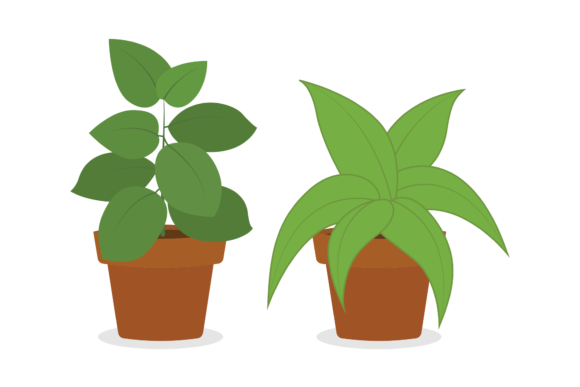
Plant Floral Illustration: A Practical Guide to Botanical Art and Visual Communication
Plant floral illustration is far more than a decorative art form; it is a precise visual language that bridges the gap between scientific accuracy and aesthetic appreciation. At its core, this discipline involves the detailed depiction of plant morphology, capturing the specific characteristics of flowers, leaves, stems, and root systems with exacting fidelity. For adults seeking to understand or utilize this medium, whether for professional documentation, educational resources, or personal artistic development, recognizing the dual nature of botanical art is essential. It serves as both a rigorous record of natural history and a versatile tool for modern visual communication.
Defining the Scope and Purpose
To effectively engage with plant floral illustration, one must distinguish it from general flower painting or botanical pattern design. While decorative art prioritizes composition and color harmony, true botanical illustration prioritizes diagnostic accuracy. The primary goal is to represent a specimen so clearly that it can be identified by species, variety, or cultivar based solely on the image. This requires an understanding of plant anatomy, growth habits, and reproductive structures.
For professionals in horticulture, landscape architecture, and environmental science, these illustrations solve specific communication challenges. Photography, while valuable, often struggles to isolate specific features against complex backgrounds or capture multiple stages of a plant’s life cycle in a single frame. Plant floral illustration addresses these limitations by synthesizing information. An illustrator can depict a bud, a blooming flower, and a seed pod simultaneously, providing a comprehensive reference that a single photograph cannot offer. This synthesis makes the discipline indispensable for field guides, patent applications, and conservation documentation.
Addressing Common Challenges in Botanical Visualization
Individuals approaching plant floral illustration often encounter distinct hurdles depending on their objectives. Understanding these challenges allows for better resource allocation and skill development.
The Accuracy vs. Aesthetics Balance
A frequent struggle for emerging illustrators and designers is maintaining scientific rigor without producing sterile imagery. The solution lies in mastering observational drawing before applying stylistic elements. Successful plant floral illustration relies on measuring proportions and understanding venation patterns before rendering texture or color. By establishing a structurally accurate foundation first, artists ensure that subsequent aesthetic choices enhance rather than obscure biological truth.
Translating Three-Dimensional Forms
Plants are complex, organic structures that rarely conform to simple geometric shapes. Representing the curl of a petal or the attachment point of a leaf stalk (petiole) requires strong spatial reasoning. Many practitioners find that studying physical specimens alongside anatomical diagrams helps bridge this gap. Cross-section studies are particularly useful in plant floral illustration, as they reveal internal arrangements that define external appearance. Incorporating dissections into your workflow ensures that the surface rendering reflects the underlying biology.
Medium Selection and Reproduction
Choosing the right medium is a practical decision driven by the end use. Watercolor remains the traditional standard for plant floral illustration due to its translucency and ability to render subtle gradients in petals and foliage. However, digital tools have become increasingly vital for commercial applications where edits, color adjustments, and scalable vector outputs are required. Graphite and pen-and-ink remain superior for high-contrast publications like newsprint or academic journals where color reproduction is cost-prohibitive. Aligning your medium choice with your distribution channel prevents costly rework later in the process.
Practical Applications and Professional Outcomes
The utility of plant floral illustration extends across numerous sectors, each with unique requirements and outcomes.
- Horticultural Marketing and Branding: Nurseries and seed companies utilize accurate illustrations to differentiate products. Unlike stock photography, custom plant floral illustration ensures that the marketing material matches the exact cultivar being sold, reducing customer returns and building brand trust through transparency.
- Scientific Publication and Taxonomy: Researchers rely on illustrations to document new species or clarify taxonomic revisions. In this context, the illustration serves as primary data. Adherence to international standards for botanical plates is mandatory, requiring collaboration between artist and scientist to verify every detail.
- Environmental Education and Interpretation: Parks, arboreta, and nature centers use illustrated signage to guide visitors. These illustrations often simplify complex information for lay audiences while retaining enough accuracy to be educational. Here, plant floral illustration functions as an interface between expert knowledge and public engagement.
- Textile and Surface Design: While less strictly diagnostic, designers sourcing motifs for wallpapers, fabrics, and packaging benefit from studying botanical illustration techniques. Understanding the natural growth patterns and structural integrity of flowers results in more authentic and sophisticated designs compared to generic floral clip art.
Tailoring Approaches for Different User Needs
There is no single path to mastering or utilizing plant floral illustration. Your approach should be dictated by your specific role and desired outcome.
For the Aspiring Botanical Artist
If your goal is personal mastery or fine art, focus heavily on foundational skills. Invest time in learning botanical terminology and plant taxonomy. Join societies such as the American Society of Botanical Artists or local guilds to access mentorship and critique. Practice drawing from live specimens whenever possible, as photos flatten depth and distort color. Build a portfolio that demonstrates range across different plant families and morphological features. Patience is paramount; plant floral illustration is a slow discipline that rewards meticulous observation over rapid production.
For Designers and Commercial Creatives
Professionals integrating botanical elements into commercial work need efficiency and versatility. Focus on creating modular assets and understanding licensing. Familiarize yourself with digital workflows that allow for non-destructive editing. Study historical botanical plates not just for inspiration, but to understand how masters solved compositional problems within strict constraints. When hiring an illustrator, provide clear briefs regarding the level of scientific accuracy required versus stylistic license allowed. Clear communication upfront ensures the final plant floral illustration meets both aesthetic and functional project goals.
For Scientists and Educators
You may not create the art yourself, but you are the client. Learn to articulate what makes a specimen diagnostically significant. Provide illustrators with high-quality reference material, including pressed specimens, photographs from multiple angles, and notes on color changes upon drying. Understand that accurate plant floral illustration takes time; budget accordingly. View the illustrator as a collaborator who translates your data into visual form. The most successful scientific plates result from iterative feedback loops between expert and artist.
Key Considerations for Implementation
Regardless of your specific application, several universal principles apply to successful plant floral illustration. First, always prioritize reference quality. Garbage in equals garbage out; working from poor references guarantees inaccurate results. Second, respect intellectual property and ethical sourcing. If illustrating rare or endangered species, ensure compliance with collection permits and CITES regulations. Never illustrate protected species from wild-collected specimens without proper authorization.
Third, consider longevity. Digital files should be archived in open formats alongside proprietary ones. Traditional works require archival materials to prevent fading or degradation. Plant floral illustration is often intended as a permanent record; treating the physical or digital artifact with preservation in mind protects your investment.
Finally, embrace continuous learning. Flora is diverse and ever-changing. New species are described regularly, and taxonomic classifications shift. Staying current with botanical literature enhances the relevance and accuracy of your work. Whether you are documenting a newly discovered orchid or designing a vintage-inspired textile print, grounding your practice in genuine botanical knowledge elevates the quality and impact of your plant floral illustration.
By approaching this discipline with intentionality and respect for its dual heritage, you unlock its full potential as a tool for education, commerce, and artistic expression. The value of plant floral illustration lies not merely in its beauty, but in its capacity to convey complex natural truths with clarity and grace. Whether you are creating, commissioning, or studying these images, focusing on practical application and accurate representation ensures meaningful outcomes that serve both people and plants.