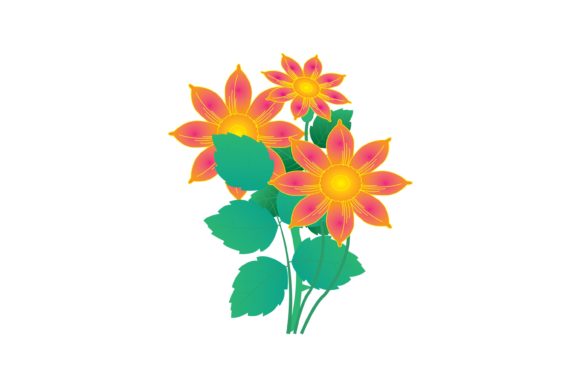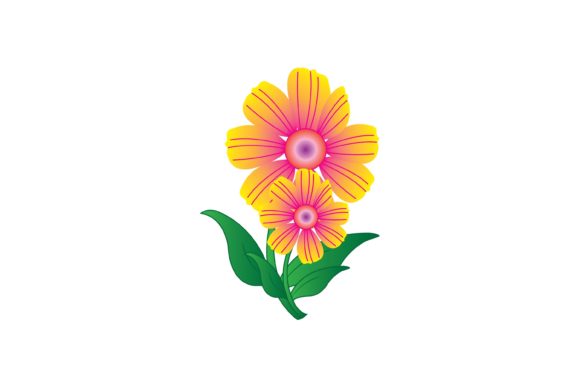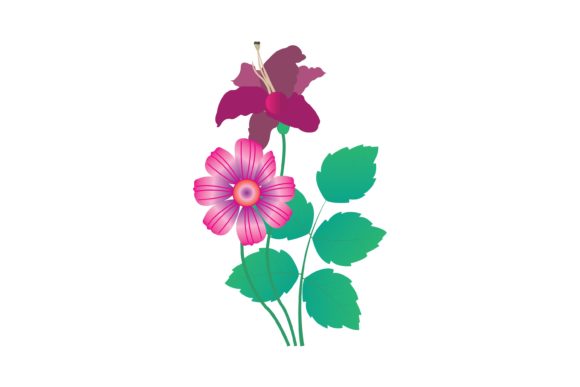
Floral Design Illustration 3: Bridging Botanical Art and Modern Visual Strategy
In the evolving landscape of visual communication, Floral Design Illustration 3 represents more than just a decorative motif; it signifies a pivotal shift in how organic aesthetics are integrated into digital and physical spaces. For professionals ranging from brand strategists and web designers to event planners and content creators, understanding this specific iteration of floral artistry is essential. It moves beyond traditional botanical accuracy or generic clip art, occupying a unique space where stylized abstraction meets functional design. This approach responds directly to a market saturated with hyper-realistic AI imagery and sterile minimalism, offering a human-centric visual anchor that feels both curated and authentic.
The relevance of Floral Design Illustration 3 lies in its adaptability. Unlike its predecessors, which often served as mere background texture or border elements, this style functions as a primary communication tool. It carries narrative weight, establishes emotional tone, and guides user attention without overwhelming the core message. As audiences become increasingly sophisticated, their expectation for visual coherence has risen. They no longer accept stock photography as a placeholder for genuine brand identity. Instead, they seek bespoke visual languages that signal care, intentionality, and craftsmanship. Floral Design Illustration 3 answers this demand by providing a versatile framework that can be scaled across business cards, website headers, packaging, and social media assets while maintaining a distinct, recognizable voice.
The Evolution from Decoration to Strategic Asset
To appreciate the current utility of Floral Design Illustration 3, one must understand the trajectory of botanical illustration in commercial design. Historically, floral elements were relegated to specific niches: wedding stationery, beauty product packaging, or greeting cards. The style was often rigid, heavily detailed, and strictly representational. However, the last decade has seen a democratization of design tools and a simultaneous fatigue with corporate sterility. As remote work and digital-first interactions became the norm, the need for warmth in professional environments grew acute.
This evolution was not merely aesthetic but psychological. Creators began treating floral motifs as data visualization for emotion. Floral Design Illustration 3 emerged from this experimentation, stripping away unnecessary realism to focus on form, color psychology, and negative space. It reflects a broader trend in "soft branding," where businesses aim to appear more accessible and empathetic. For freelancers and entrepreneurs building personal brands, this style offers a way to differentiate themselves in crowded markets. It signals creativity without sacrificing professionalism, allowing a consultant or educator to appear approachable yet authoritative. The shift is evident in how modern portfolios utilize these illustrations not just to show pretty pictures, but to demonstrate an understanding of visual hierarchy and audience engagement.
Aligning with Contemporary Digital Workflows
Modern creative workflows demand assets that are flexible, lightweight, and scalable. Floral Design Illustration 3 is inherently designed for this ecosystem. In an era where content must be repurposed instantly for Instagram stories, LinkedIn articles, email newsletters, and print collateral, static high-resolution paintings are often impractical. This contemporary illustrative style prioritizes vector compatibility and modular composition.
- Scalability Without Degradation: Whether applied to a favicon or a billboard, the clean lines and simplified forms maintain integrity.
- Color Adaptability: The palette-agnostic nature of many Floral Design Illustration 3 examples allows for easy recoloring to match seasonal campaigns or accessibility standards.
- Layered Functionality: Elements can be separated and animated for web use or rearranged to fit varying aspect ratios without losing compositional balance.
- Cross-Platform Consistency: Ensures brand recognition remains intact whether viewed on a dark mode mobile screen or a printed brochure.
For marketers and bloggers, this technical flexibility translates to efficiency. Rather than commissioning entirely new artwork for every campaign, teams can leverage a cohesive library of Floral Design Illustration 3 assets that work in concert. This reduces production time and costs while strengthening brand recall. Furthermore, as web performance metrics like Core Web Vitals gain SEO importance, the optimized file sizes associated with this illustrative style contribute to faster load times compared to heavy photographic alternatives. This intersection of aesthetic appeal and technical performance makes it a pragmatic choice for results-driven creatives.
Meeting Changing User Expectations and Lifestyle Shifts
The resurgence of interest in botanical themes correlates with significant lifestyle shifts among adults aged 20 to 50. There is a documented rise in biophilic design principles, driven by a collective desire to reconnect with nature amidst urbanization and screen saturation. Users are actively seeking digital experiences that offer a sense of calm and restoration. Floral Design Illustration 3 taps into this zeitgeist without resorting to cliché. It acknowledges the user’s need for organic connection while respecting their intelligence through refined, thoughtful execution.
This is particularly relevant for wellness brands, educational platforms, and sustainable businesses. When a user lands on a website featuring this style of illustration, the immediate subconscious association is one of growth, balance, and natural order. For educators and coaches, this visual cue helps lower cognitive load and anxiety, creating a safer learning environment. For e-commerce, it reinforces values of sustainability and ethical sourcing without needing explicit textual claims. The illustration does the heavy lifting of establishing trust. Moreover, as consumers become wary of greenwashing, the handcrafted quality inherent in Floral Design Illustration 3 serves as a marker of authenticity. It suggests that a human being made deliberate choices, countering the impersonal feel of mass-produced or purely algorithmic content.
Practical Implications for Business and Creative Professionals
Integrating Floral Design Illustration 3 requires a strategic mindset. It is not enough to simply select attractive images; they must serve a defined purpose within your broader communication strategy. For business owners and freelancers, the first step is auditing existing visual assets. Does your current imagery align with your stated values? If you claim to be innovative and human-centered, but your visuals are outdated or generic, there is a disconnect that erodes trust.
When commissioning or creating Floral Design Illustration 3, consider the following practical applications:
- Visual Hierarchy Management: Use the flow of stems and petals to direct the viewer’s eye toward calls-to-action or key information. The organic curves should complement, not compete with, your typography.
- Cultural Sensitivity and Symbolism: Flowers carry diverse meanings across cultures. Ensure your chosen motifs resonate positively with your specific target demographic and avoid unintended connotations.
- Accessibility Compliance: Verify that color contrasts meet WCAG standards. The stylized nature of Floral Design Illustration 3 often makes it easier to adjust colors for accessibility without ruining the artistic intent, unlike complex photographs.
- Narrative Consistency: Develop a style guide specifically for your botanical elements. Define line weights, color palettes, and level of abstraction to ensure all future assets feel like part of the same family.
For content creators and bloggers, this style offers a powerful way to break up text-heavy posts. Instead of using unrelated stock photos, custom or curated floral illustrations can act as visual metaphors for the concepts being discussed. A section on "growth strategies" might feature upward-reaching vines, while a discussion on "community building" could utilize clustering blooms. This semantic alignment enhances reader comprehension and retention, signaling to search engines that your content is comprehensive and thoughtfully structured.
Future-Proofing Your Visual Identity
While trends cycle rapidly, the fundamental human appreciation for botanical forms remains constant. Floral Design Illustration 3 is positioned to endure because it is rooted in function as much as form. It avoids the extreme stylization that dates quickly, favoring timeless principles of balance and proportion. However, staying relevant requires ongoing adaptation. As augmented reality and immersive web experiences grow, we can expect this illustrative style to evolve into three-dimensional and interactive formats.
Professionals should view their investment in Floral Design Illustration 3 as building a foundational asset library rather than chasing a fleeting fad. By focusing on high-quality, versatile executions now, you create a resilient visual system that can adapt to future technologies. The key is to remain intentional. Ask not just "does this look nice?" but "what problem does this solve?" and "how does this make my audience feel?" When guided by these questions, Floral Design Illustration 3 transcends decoration to become a vital component of effective, empathetic communication in a complex digital world.
Ultimately, the power of this design approach lies in its ability to harmonize opposing forces: technology and nature, structure and fluidity, professionalism and personality. For the modern creator or entrepreneur, mastering this balance is not optional—it is a competitive advantage. By embracing the nuanced capabilities of Floral Design Illustration 3, you equip yourself with a visual language that speaks clearly to the needs and aspirations of today’s discerning audience, ensuring your message resonates long after the initial impression fades.